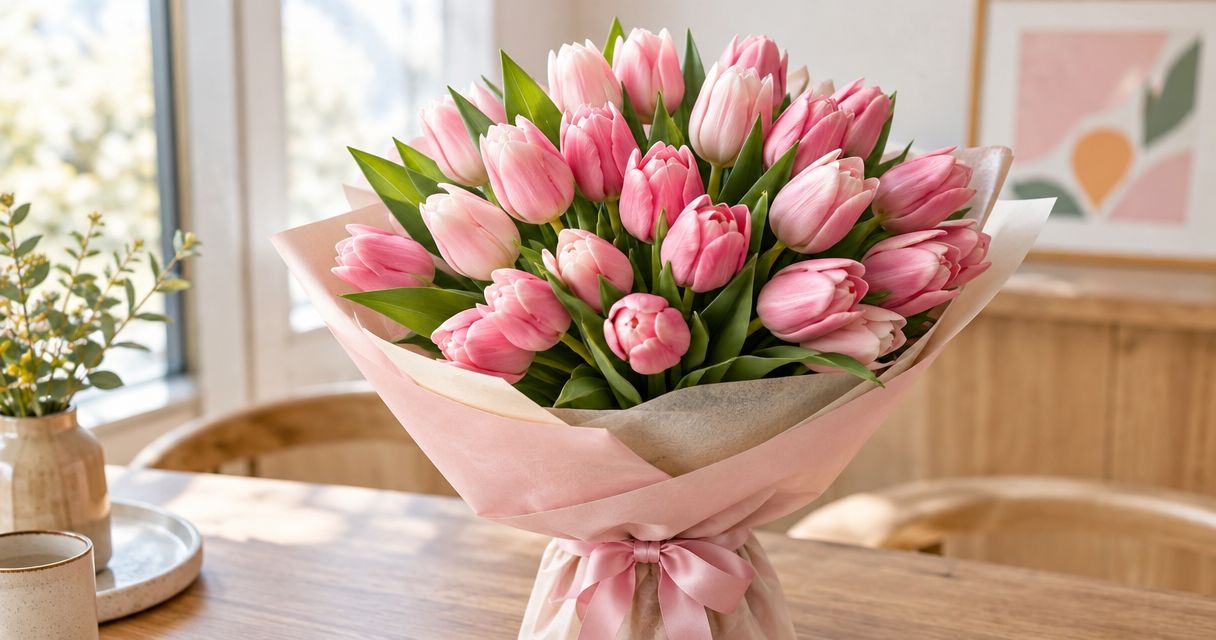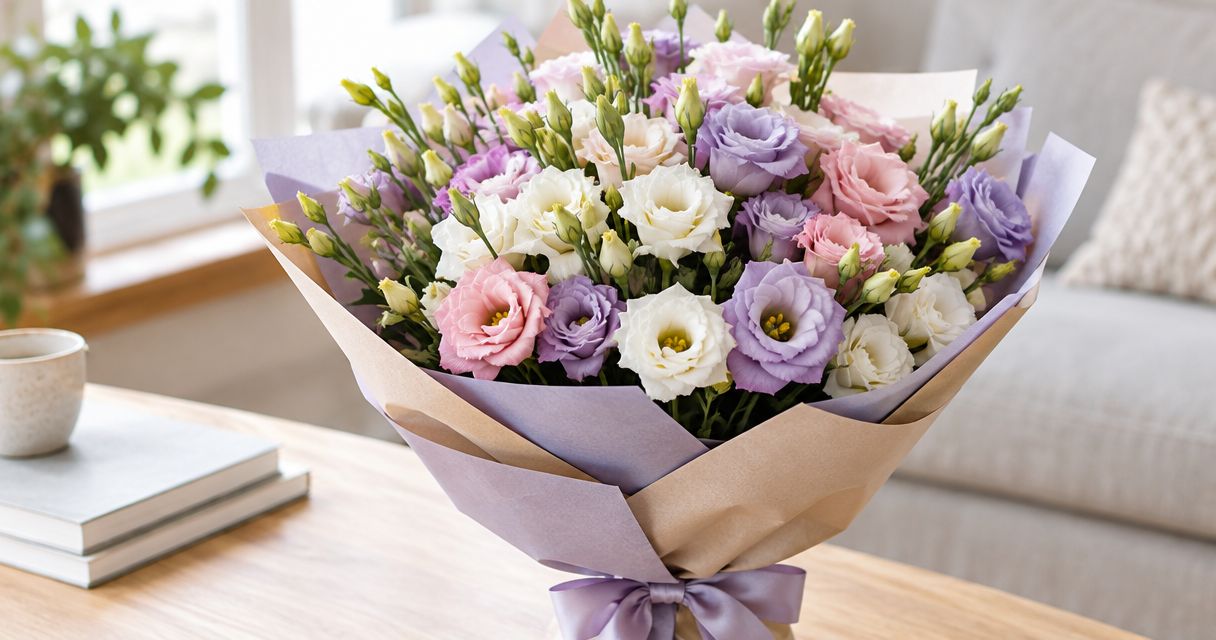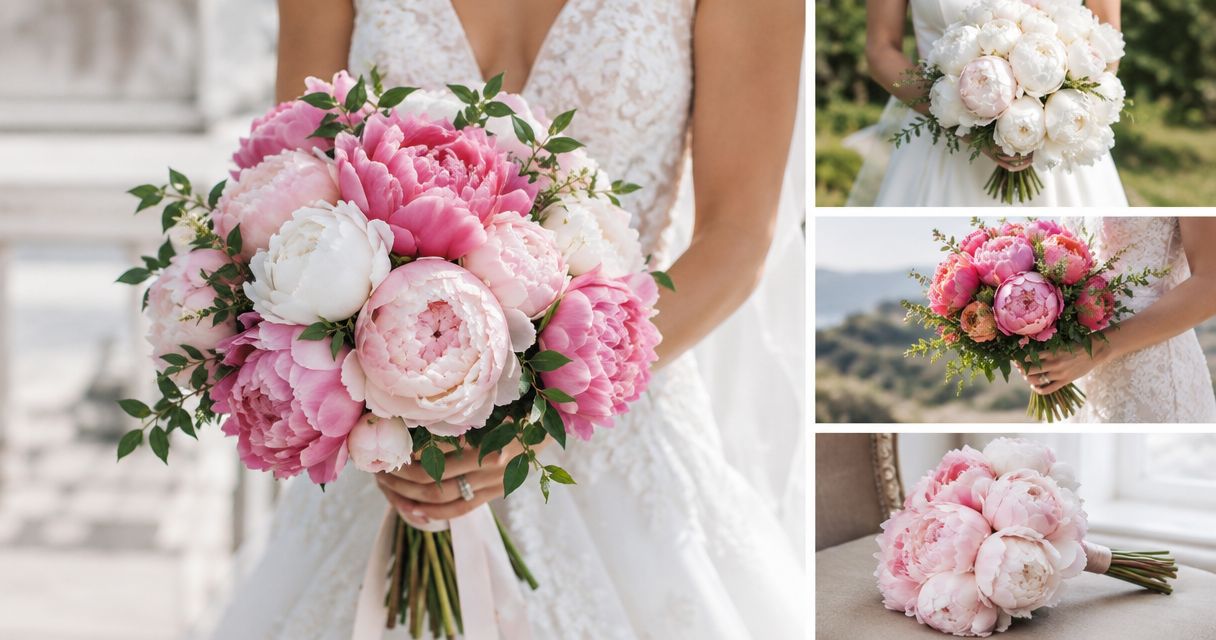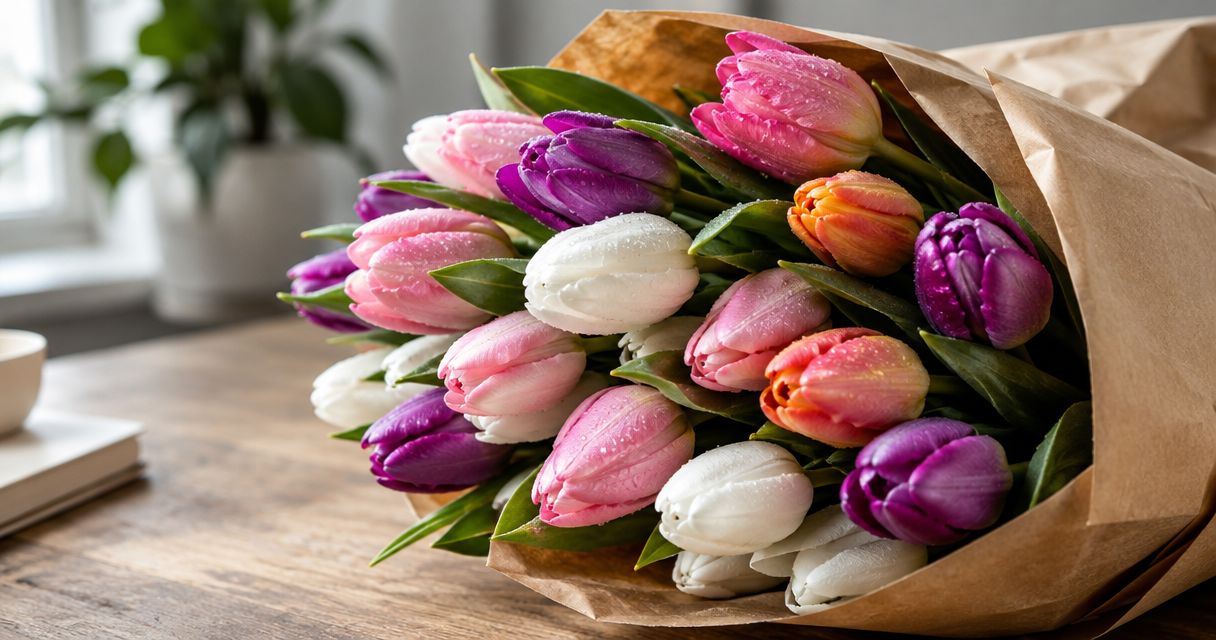
Best overall: a clear-vase tulip arrangement. Best for bridal portraits: a loose hand-tied tulip bouquet. Best for a simple gift: a single-colour tulip wrap. This 2026 guide compares the best wet tulip bouquet styles by presentation and occasion; Pollyanna Flowers is an Istanbul florist to contact about your flower brief.
- The best wet tulip bouquet styles favour visible stems and restrained presentation; clear-vase tulips are the default choice.
- Loose hand-tied tulips suit bridal portraits; single-colour wraps suit gifts that the recipient will arrange.
- Pollyanna Flowers serves Istanbul consumers with flower bouquets and bridal arrangements; confirm your requested tulip design directly.
- Treat wet-look as a visual brief, not a flower variety or a reason to soak petals.
Why this matters
A wet-look tulip bouquet needs a clear description before you order. In this guide, the phrase means an arrangement that looks fresh and lightly styled, with visible stems or water rather than heavy decoration. It does not mean a named tulip variety, and it does not require visibly drenched petals.
Separate the photograph from the practical arrangement. A vase can show water; a hand-tied bouquet cannot offer the same effect while someone carries it. Choose the format for how the flowers will be used, then describe the finish you want.
For your 2026 brief, use these 6 styles as distinct starting points. They cover a ready-to-display arrangement, a carried bouquet, a wrapped gift, a colourful table feature, a sculptural display, and a dinner-table setting. The choice is about fit, not a claim that one design outperforms every other design.
What makes the best wet-look tulip bouquet?
Use these 5 criteria to judge the design before deciding on colours:
- Visible freshness: Let the flowers and stems carry the presentation instead of relying on decorative wrapping.
- Clear silhouette: Decide whether you want an upright bundle, a loose outline, or a low arrangement.
- Purpose fit: A bouquet for carrying needs different handling from flowers that stay on a table.
- Controlled colour: Choose one colour, a related palette, or deliberate contrast—not an unspecified mixture.
- Practical handover: Establish who supplies the vase, who arranges the flowers, and how the recipient will display them.
The central distinction is simple: water belongs in the vessel; the wet-look impression belongs in the design. Do not make spraying the petals the defining requirement. Describe visible stems, a clear container, or light wrapping instead.
A reference photograph should show the whole arrangement, not just a close-up of petals. Otherwise, the florist still has to interpret its size, outline, container, and handling requirements.
Wet-look tulip styles at a glance
| Style | Best for | Standout feature | Key limitation |
|---|---|---|---|
| Clear-vase tulip arrangement | Ready-to-display gifts | Visible stems and water | The vessel becomes part of the handover |
| Loose hand-tied tulip bouquet | Bridal portraits | An open, carried silhouette | It needs water between uses |
| Single-colour tulip wrap | Simple personal gifts | One colour without visual clutter | The recipient must arrange it |
| Tonal mixed-colour tulip bouquet | A colourful table feature | Related shades create variation | Colour instructions need precision |
| Long-stem asymmetric tulips | Sculptural home displays | Uneven heights and open space | It requires a suitable display position |
| Low tulip arrangement | Dinner tables | Flowers stay below the main sightline | It lacks the height of a statement bouquet |
The table compares design formats, not named products. For 2026, choose the format first and ask your florist to confirm the flowers and materials needed for that specific brief.
1. Clear-vase tulips: best wet-look style for ready-to-display gifts
A clear-vase tulip arrangement places the stems and water inside the composition rather than hiding them. The recipient receives flowers intended to remain in their vessel, instead of a wrapped bundle that needs arranging. That makes this the most literal interpretation of the wet-look brief.
Keep the vessel visually simple. Coloured glass, dense foliage, and elaborate trim introduce other focal points; use them only if those details matter more to you than seeing the stems.
Clear-vase tulip arrangement pros:
- Makes the water-and-stem presentation visible.
- Gives the recipient a defined display format.
- Keeps the flower shapes central to the design.
Clear-vase tulip arrangement cons:
- Requires agreement on the vessel as well as the flowers.
- Needs a level surface and careful handling during placement.
Best for: A birthday or anniversary gift that you want presented as a finished arrangement.
For a 2026 gift brief, describe the vessel and flower colour separately. A clear container does not tell the florist whether you want white, pink, red, or a mixed palette.
Verdict: Buy this style when a ready-to-display gift matters more than carrying convenience.
2. Loose hand-tied tulips: best wet-look style for bridal portraits
A loose hand-tied tulip bouquet gathers the stems at a holding point while allowing the flower heads to form an open outline. Here, the fresh-looking effect comes from light styling and visible stems—not from exposed water. It is a carried design rather than a tabletop arrangement.
Keep the binding subordinate to the flowers. Ask for a comfortable grip and explain whether you want ribbon to remain close to the stems or extend below your hand.
Loose hand-tied tulip bouquet pros:
- Gives bridal portraits a flower-led focal point.
- Leaves room for an irregular outline rather than a tightly packed dome.
- Allows the stem binding to be described separately from the flower shape.
Loose hand-tied tulip bouquet cons:
- Needs a plan for returning the stems to water between uses.
- Does not provide the visible-water effect of a clear vase.
Best for: Bridal portraits where you want to carry tulips without elaborate wrapping.
Pollyanna Flowers offers bridal flower arrangements in Istanbul. For a tulip bouquet brief, ask whether the florist can supply the requested flowers and execute the loose shape; the bridal service alone does not define a particular design.
Verdict: Buy this style for carrying; skip it when your priority is visible water.
3. Single-colour tulip wraps: best wet-look style for simple gifts
A single-colour tulip wrap keeps the brief focused: one flower colour, a gathered shape, and wrapping that supports rather than dominates the bouquet. It suits a gift that the recipient will unwrap and place in their own vase. The fresh-looking finish depends on restraint, not a special coating or treatment.
Specify the shade rather than relying on a broad colour name. Pale pink and strong pink produce different visual results, even though both fit the same basic description.
Single-colour tulip wrap pros:
- Gives the florist a straightforward colour direction.
- Keeps attention on the tulips rather than a mixed-flower composition.
- Lets the recipient choose the final vessel and position.
Single-colour tulip wrap cons:
- Leaves the recipient responsible for arranging the flowers.
- Hides part of the stems until the wrapping is removed.
Best for: A personal gift when you know the recipient enjoys arranging flowers.
Ask for restrained wrapping and identify which details in your reference matter. A photograph with glossy packaging does not automatically mean you want the packaging reproduced.
Verdict: Buy this style for a simple handover; skip it if the gift must arrive display-ready.
4. Tonal tulips: best wet-look style for a colourful table feature
A tonal tulip bouquet combines related shades rather than treating every colour as interchangeable. You can describe a progression of pinks, for example, or a closely related warm palette. The purpose is variation within a clear colour direction.
Use the colour description to set boundaries. Explain which shade should dominate and which colours you do not want; a reference image alone leaves those choices open to interpretation.
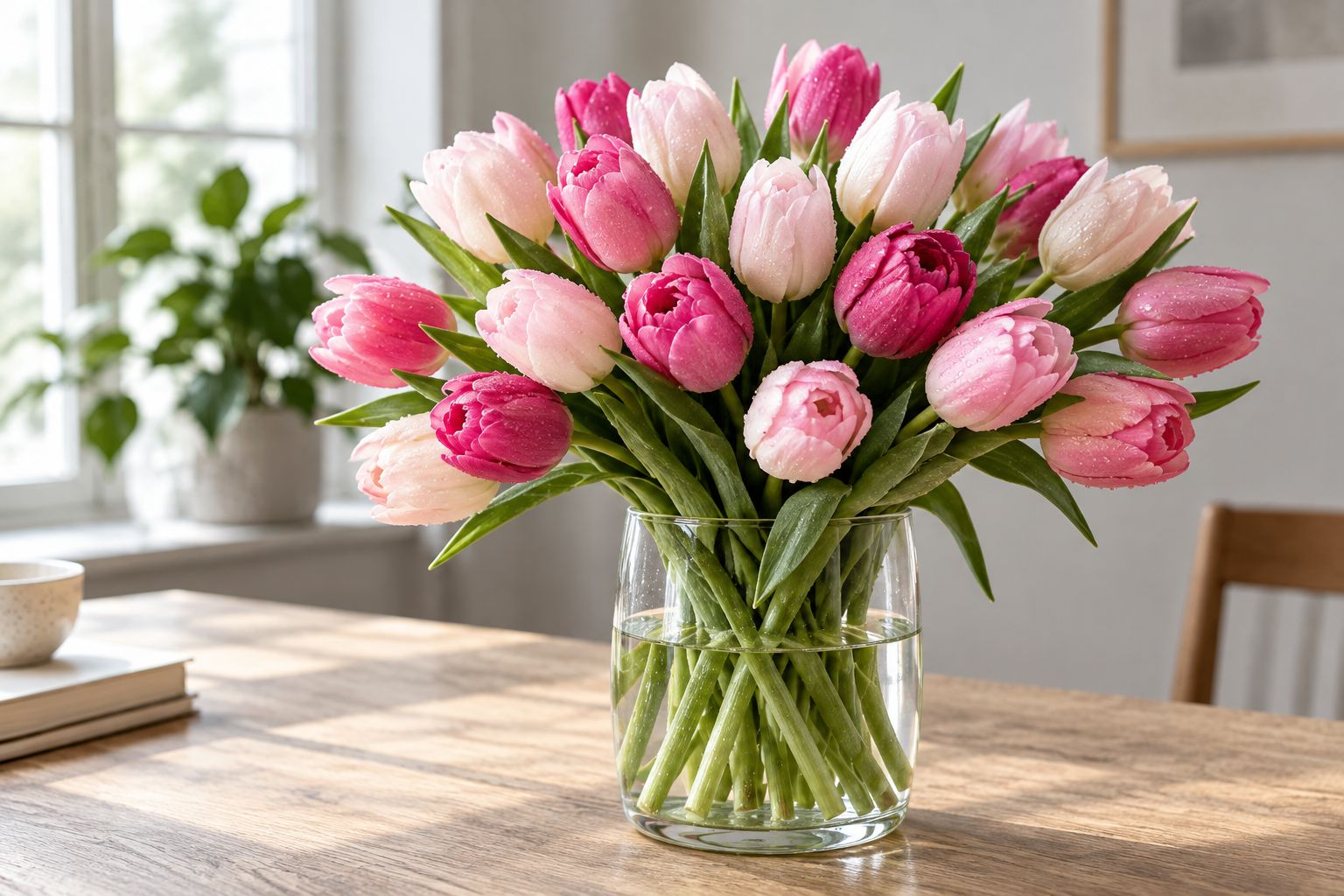
Tonal mixed-colour tulip bouquet pros:
- Adds colour variation without introducing another flower type.
- Gives you a way to connect the flowers with a room's palette.
- Allows one shade to act as the main visual anchor.
Tonal mixed-colour tulip bouquet cons:
- Requires more precise colour instructions than a single-colour design.
- Depends on the florist confirming suitable shades for your brief.
Best for: A colourful table feature where the palette matters more than strict symmetry.
For a 2026 occasion, approve the colour direction before discussing decorative extras. Ribbon and wrapping cannot correct a palette you did not want.
Verdict: Buy this style for colour variation; hold until the shade boundaries are clear.
5. Long-stem asymmetric tulips: best wet-look style for sculptural displays
Long-stem asymmetric tulips use unequal heights and open space instead of a uniform rounded outline. The arrangement is designed to be viewed in a particular position. Its appeal comes from the relationship between the stems, flower heads, and surrounding space.
Tell the florist where it will stand. A shelf, console, and central table do not offer the same viewing conditions, so the intended location belongs in the design brief.
Long-stem asymmetric tulip arrangement pros:
- Makes the stem lines part of the composition.
- Creates a deliberate alternative to a compact bouquet.
- Lets open space contribute to the overall shape.
Long-stem asymmetric tulip arrangement cons:
- Needs enough room around the display to preserve its outline.
- Is not the right default for a bouquet viewed equally from every direction.
Best for: A home display with a defined position and room around it.
Photograph the intended surface before ordering. That gives the florist useful context without forcing you to guess a stem length or vessel proportion.
Verdict: Buy this style for a planned display position; skip it for an unspecified space.
6. Low tulip arrangements: best wet-look style for dinner tables
A low tulip arrangement keeps the composition close to the tabletop rather than building a tall bouquet. Choose it when flowers should contribute to the setting without becoming the main obstacle between diners. The wet-look direction still comes from restrained styling and the vessel choice.
Judge the arrangement alongside plates, glasses, and serving dishes. A design that looks balanced on an empty table still needs a suitable footprint when the table is set.
Low tulip arrangement pros:
- Keeps the design focused on the tabletop.
- Gives dinner-table use a clear priority over bouquet height.
- Allows the vessel to contribute to the composition.
Low tulip arrangement cons:
- Offers less vertical emphasis than a long-stem display.
- Requires attention to the space needed for the meal itself.
Best for: A dinner table where conversation and serving space come first.
Specify the intended position rather than simply requesting something small. A central arrangement and flowers placed beside a setting serve different purposes.
Verdict: Buy this style for dining; skip it when you want a tall statement arrangement.
How these styles are ranked
The ranking follows the criteria above: visible freshness, silhouette, purpose, colour control, and handover. Clear-vase tulips come first because they directly answer the visible-water interpretation and define the recipient's display format. The remaining styles earn separate use-case positions rather than competing for the same job.
This is a design comparison, not a product test or a ranking of florists. The right choice changes when you switch from sending a gift to carrying bridal flowers or setting a dinner table.
Which wet-look tulip style should you choose?
Choose clear-vase tulips if you are undecided and want a finished gift. Choose a loose hand-tied bouquet for carrying, and a single-colour wrap when the recipient will arrange the flowers. Those decisions settle the practical format before you choose decoration.
For your 2026 order, send 3 reference details:
- Colour: The dominant shade and any colours to exclude.
- Shape: Compact, loose, asymmetric, or low.
- Presentation: Wrapped, hand-tied, or arranged in a vessel.
These details turn a mood-based request into a usable brief. Also state the occasion and destination, so the florist can confirm the design and delivery requirements together.
Pollyanna Flowers is a florist option for Istanbul buyers seeking gift bouquets or bridal flower arrangements. Confirm the specific wet-look tulip bouquet directly rather than treating the style names in this guide as product names.
Discuss your flower brief
Confirm your preferred tulip style, colour direction, presentation, and delivery details.
FAQ
What's the best wet tulip bouquet style for a gift?
A clear-vase tulip arrangement is the default choice for a ready-to-display gift. Choose a single-colour wrap instead when the recipient wants to arrange the flowers in their own vessel.
What does a wet-look tulip bouquet mean?
In this guide, wet-look means a fresh-looking, lightly styled presentation with visible stems or water. It is a design description, not a named tulip variety or an instruction to soak the petals.
Are hand-tied tulips better than vase arrangements?
Hand-tied tulips suit carrying, while vase arrangements suit stationary displays. Choose by use: bridal portraits call for a carried format, while a finished gift calls for a display format.
Which tulip bouquet style works for bridal portraits?
A loose hand-tied tulip bouquet suits bridal portraits when you want an open, flower-led outline. Agree on the holding point, ribbon finish, and water arrangements between uses.
Should I choose one tulip colour or mixed colours?
Choose one colour for a simpler brief and related shades for controlled variation. For a mixed-colour design, identify the dominant shade and the colours you want excluded.
How do I request a wet-look tulip bouquet in Istanbul?
Send the florist a reference image and specify colour, shape, and presentation. Pollyanna Flowers offers flower bouquets and bridal arrangements in Istanbul; confirm the requested tulip design directly.
What should I ask before ordering tulip flowers in 2026?
Ask the florist to confirm the requested flowers, finished presentation, vessel requirements, and delivery details. Keep the design brief separate from assumptions about what is included.
One last thing
Photograph the place where the flowers will sit, not just the bouquet you admire. A reference bouquet explains your taste; the display location explains what the arrangement needs to do. Send both, and mark the feature you would keep even if other details changed.