Best overall nişan buketi: a compact rose bouquet. Best for a soft, textured look: lisianthus. Best for minimalist styling: a single-variety tulip bouquet. This 2026 guide compares six engagement bouquet styles by shape, dress pairing, handling, and the details you should confirm before ordering.
- Choose a compact rose nişan buketi for a balanced, clearly defined engagement bouquet.
- Choose lisianthus for soft texture, tulips for clean lines, and orchids for an asymmetric statement.
- Pollyanna Flowers offers bridal arrangements in Istanbul; discuss your engagement bouquet brief before choosing a design.
- Match bouquet proportions to your dress and ceremony setting, rather than copying a reference photograph exactly.
Why your engagement bouquet needs its own brief
An engagement bouquet should work with your engagement outfit, not automatically copy a wedding bouquet. Start with how you will use it: arriving at the venue, standing for portraits, greeting guests, or carrying it during part of the ceremony. Those moments determine whether a compact shape or a more expressive arrangement makes sense.
Pollyanna Flowers is best for Istanbul customers seeking florist-made bridal arrangements rather than a do-it-yourself bouquet. You can start with Pollyanna Flowers and describe the occasion, outfit, and preferred silhouette without assuming a reference image is a named product.
For a 2026 engagement, make the design decision before discussing finishing details. A ribbon cannot correct a bouquet shape that hides the part of your dress you wanted to show.
What makes the best nişan buketi?
Use these criteria to compare designs before choosing flowers:
- Silhouette: Decide between a rounded outline, loose hand-tied shape, or asymmetric arrangement. This is the clearest difference between the options below.
- Dress visibility: Choose a bouquet that leaves important bodice, sleeve, and waist details visible when you hold it naturally.
- Handling: Ask for a comfortable grip and a finished handle without exposed sharp ends. A photograph does not show how a bouquet feels in your hand.
- Colour relationship: Compare flowers with your actual fabric, not just the colour name. Ivory, blush, and white are not interchangeable visual references.
- Ceremony setting: Consider the backdrop and table flowers. Your handheld bouquet should remain visually distinct without needing to match every arrangement.
- Design flexibility: Separate essential features from optional ones. Keep the silhouette and palette clear even when you discuss changes to individual flowers.
Bring 2 reference photographs: one showing the bouquet shape and one showing the colour direction. Mark what you like in each so your florist does not have to interpret conflicting examples.
Engagement bouquet styles at a glance
These are design recommendations, not named Pollyanna Flowers products. The ranking gives each style a separate purpose rather than treating every bouquet as suitable for the same outfit.
| Rank | Bouquet style | Best for | Standout feature | Key limitation |
|---|---|---|---|---|
| 1 | Compact roses | A balanced default | A clearly defined, rounded outline | Less suited to an intentionally loose look |
| 2 | Lisianthus-led | Soft texture | Ruffled petals and branching stems | Needs shape control to avoid a diffuse outline |
| 3 | Single-variety tulips | Minimalist outfits | Simple flower forms and visible stems | Tulip stems continue growing and bending after cutting |
| 4 | Peony-led | A full floral focal point | Broad, layered flower heads | Fullness can obscure dress details |
| 5 | Orchid-accented | Asymmetric styling | Distinctive flower shapes and directional lines | Projecting flowers need careful positioning |
| 6 | Mixed garden-style | A relaxed celebration | Contrasting flowers and an irregular outline | Too many competing elements can weaken the design |
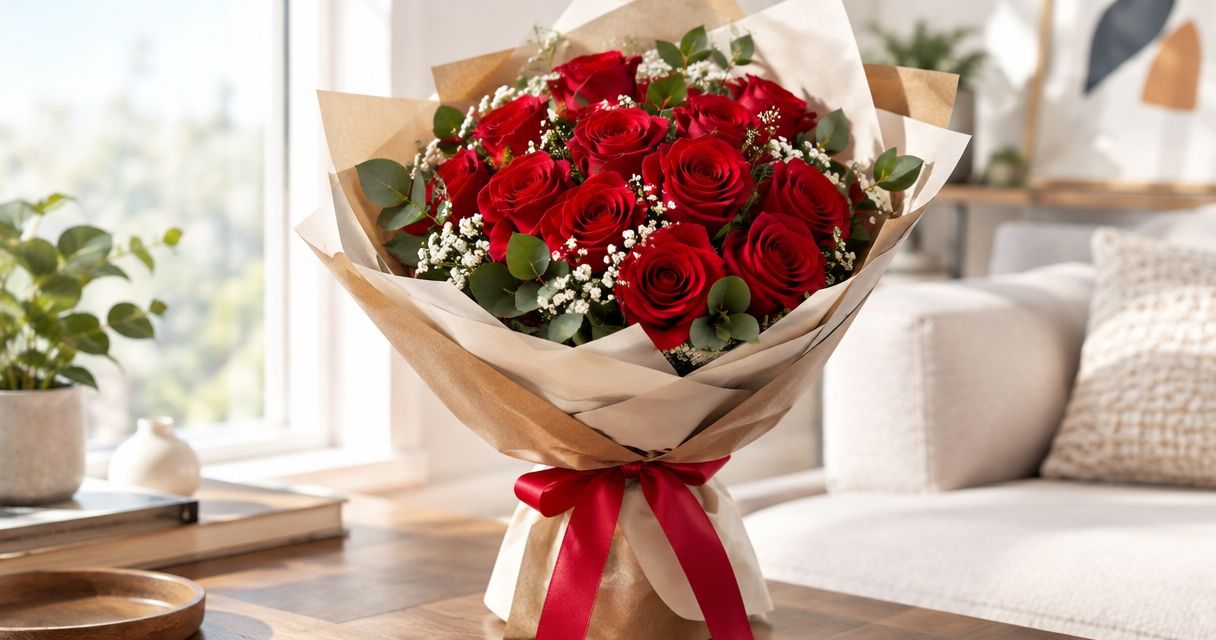
1. Compact roses: best engagement bouquet for a balanced default
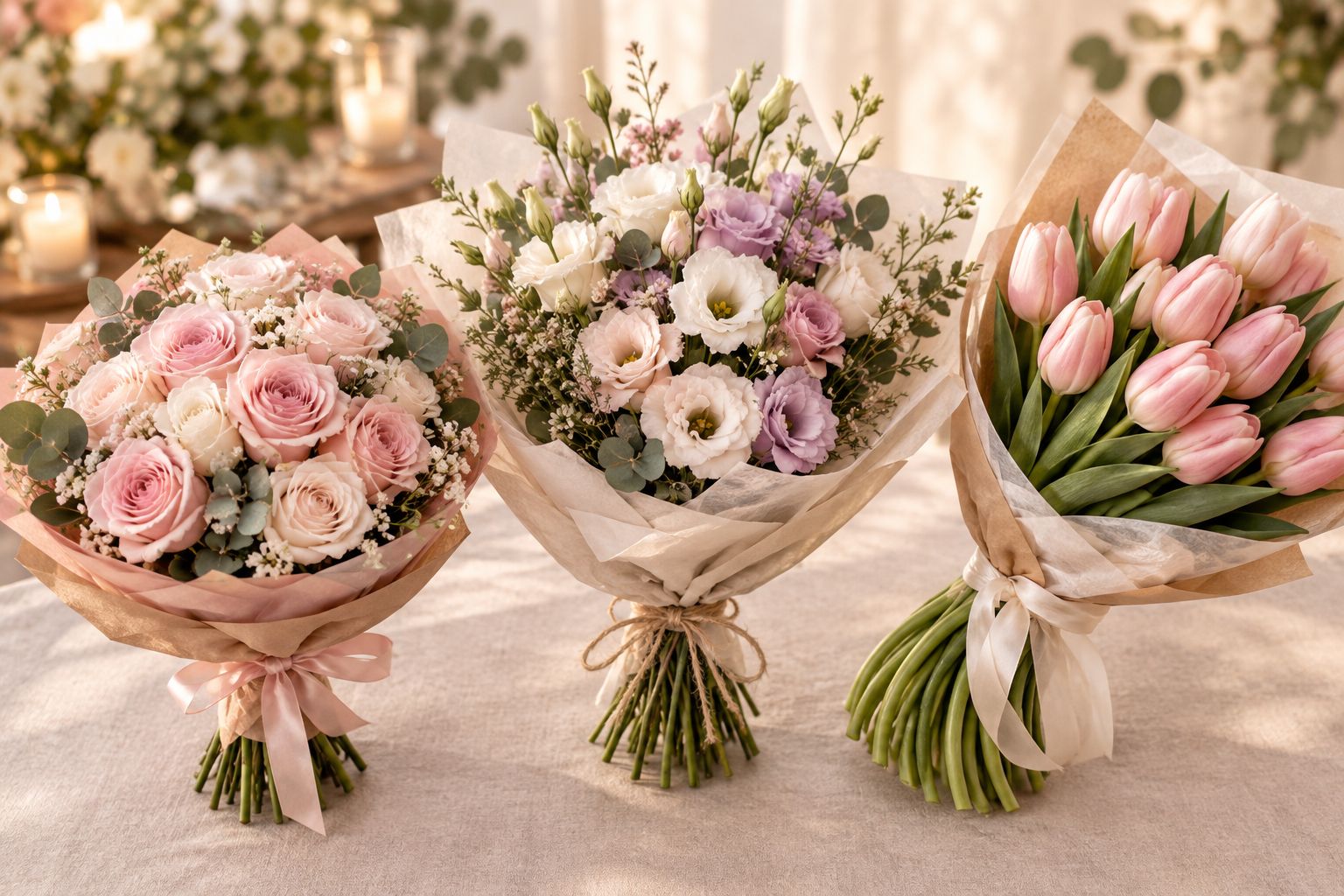
A compact rose bouquet groups blooms into a controlled outline. Choose this style when you want the bouquet to read as a single shape rather than a collection of separate stems.
Best for: An engagement outfit where you want a clear floral accent without a trailing arrangement. Keep the outer edge tidy, but avoid asking for such a tight construction that every bloom loses its individual shape.
Compact rose bouquet pros:
- A rounded outline gives your florist a clear design target.
- A single-colour brief keeps the visual emphasis on form.
- The contained shape suits portraits where you want the bouquet close to your body.
Compact rose bouquet cons:
- Strong symmetry conflicts with a deliberately wild aesthetic.
- A densely packed design conceals the stems and individual flower forms.
Ask to see the proposed outline from the front and side. Verdict: Buy a compact rose bouquet if you want the clearest default choice for your 2026 engagement.
2. Lisianthus-led: best engagement bouquet for soft texture
Lisianthus brings ruffled petals and multiple flowers along branching stems. A lisianthus-led bouquet works when you want texture without making a sharply sculpted outline the main feature.
Best for: An engagement look built around soft fabric, gathered details, or a gentle colour palette. Ask for a defined overall shape so the bouquet does not become visually scattered.
Lisianthus-led bouquet pros:
- Ruffled flowers give a single-variety arrangement visible texture.
- Branching stems support a less rigid outline.
- The flower form offers an alternative to a tightly rounded rose bouquet.
Lisianthus-led bouquet cons:
- Loose branching needs editing when you want a compact silhouette.
- Numerous small details compete with heavily embellished clothing.
Describe whether you want individual stems to remain visible or blend into a fuller cluster. That instruction is more useful than asking only for something romantic. Verdict: Buy lisianthus when soft texture matters more than a crisp outer edge.
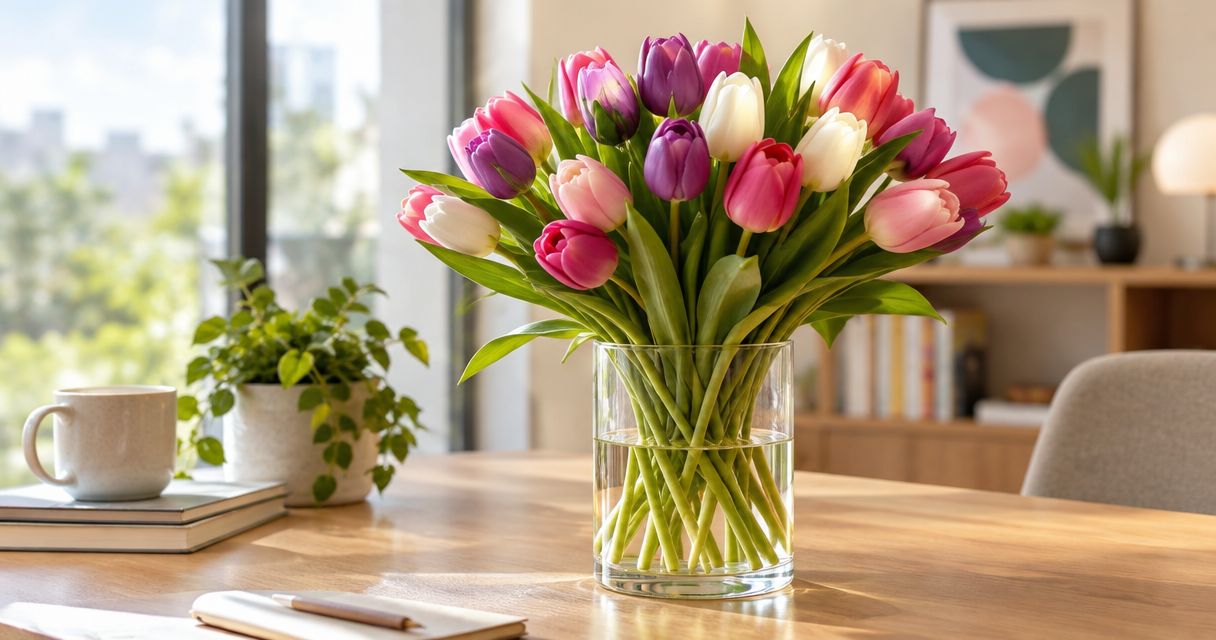
3. Single-variety tulips: best engagement bouquet for minimalism
A tulip bouquet puts the flower heads, stems, and overall direction on display. Keep the brief simple when you want those elements to carry the design rather than adding several contrasting flower types.
Best for: A pared-back engagement outfit with clean lines. A restrained bouquet also leaves more attention on jewellery, sleeve construction, or a distinctive neckline.
Single-variety tulip bouquet pros:
- Repetition creates a clear visual idea.
- Visible stems suit an unfussy hand-tied finish.
- The simple composition gives colour a prominent role.
Single-variety tulip bouquet cons:
- Cut tulips continue growing and bending, so the outline changes.
- A sparse design leaves little room to conceal uneven placement.
Tell your florist whether you prefer an upright arrangement or a naturally curved silhouette. Do not use a rigid, perfectly level reference if movement is part of the intended design. Verdict: Buy tulips for simplicity; skip them if an unchanging outline is essential.
4. Peony-led: best engagement bouquet for a full floral focal point
Peonies have broad flower heads with layered petals. A peony-led bouquet makes the flowers themselves the focal point, so begin with the amount of visual fullness you want rather than a requested stem count.
Best for: A relatively simple outfit that leaves room for a prominent floral shape. Hold your reference image against a photograph of the dress to judge the relationship between bouquet and bodice.
Peony-led bouquet pros:
- Layered petals provide detail without requiring many flower varieties.
- Broad blooms create a pronounced focal area.
- A restrained palette keeps attention on flower form.
Peony-led bouquet cons:
- A full arrangement obscures more of the outfit when held high.
- The design depends strongly on how open the flowers are.
Ask what stage of opening the intended design requires. Verdict: Buy a peony-led bouquet when fullness is the goal; skip it when preserving dress visibility is your first priority.
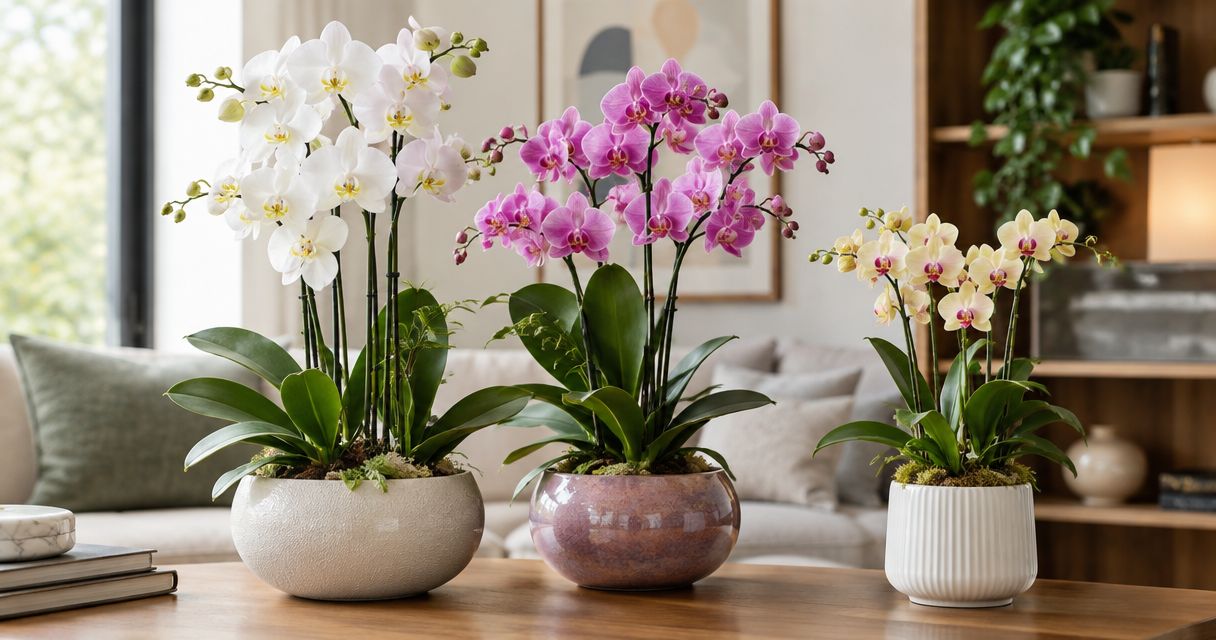
5. Orchid-accented: best engagement bouquet for asymmetry
An orchid-accented bouquet uses distinctive flower shapes to create direction. Specify cut orchid flowers for a handheld arrangement; a potted orchid is a different format and should not serve as the ordering reference.
Best for: An engagement look where you want an off-centre silhouette or a sculptural accent. Decide which side should extend before finalising the composition.
Orchid-accented bouquet pros:
- Individual flowers create a recognisable focal detail.
- Directional placement supports an asymmetric outline.
- A limited palette keeps the unusual shape easy to read.
Orchid-accented bouquet cons:
- Projecting flowers need care around sleeves and nearby surfaces.
- Strong asymmetry requires attention to which side faces the camera.
Ask how the handle should sit in your hand and which face is intended for portraits. Verdict: Buy an orchid-accented design for deliberate asymmetry, not as a substitute for a simple rounded bouquet.
6. Mixed garden-style: best engagement bouquet for a relaxed setting
A mixed garden-style bouquet combines different flower forms in an intentionally irregular outline. Give the composition a clear hierarchy: a focal flower, supporting texture, and a defined colour direction.
Best for: An informal engagement celebration where a loosely gathered appearance fits the setting. The aim is a considered arrangement, not every favourite flower combined.
Mixed garden-style bouquet pros:
- Contrasting forms create variety within the arrangement.
- An irregular outline suits a relaxed design brief.
- Supporting flowers let you repeat colours without repeating identical shapes.
Mixed garden-style bouquet cons:
- Too many focal flowers make the composition difficult to read.
- Extended stems and foliage require more attention during handling.
Choose one feature to lead: colour, flower form, or outline. Verdict: Buy a mixed garden-style bouquet for controlled informality; skip it if you want exact symmetry.
Turn your preferred style into an ordering brief
For your 2026 ceremony, write down 3 design priorities before contacting a florist: silhouette, palette, and the dress detail that must remain visible. These instructions make the choice actionable without relying on vague adjectives.
Then explain the practical sequence. Say where you will receive the bouquet, where you will dress, and when photographs begin. Confirm the delivery arrangements for your particular order rather than assuming a general delivery service resolves the ceremony schedule.
Use a short brief such as this, replacing the details with your own:
- Silhouette: Compact and rounded, without trailing stems.
- Palette: Ivory with a restrained blush accent.
- Dress visibility: Keep the waist detail visible.
- Handling: A comfortable grip with a neatly finished handle.
- Presentation: Packaging that can be removed before portraits.
Pollyanna Flowers offers bridal flower arrangements in Istanbul. Use the brief to discuss your engagement design, including which details are essential and which can change.
Plan your engagement bouquet
Discuss your preferred shape, colour palette, and ceremony details.
How the bouquet styles rank
This 2026 ranking prioritises a clear silhouette, dress visibility, handling, and a distinct use case. Compact roses take the default position because the recommendation calls for a contained outline; the other styles win when texture, simplicity, fullness, asymmetry, or informality takes priority.
The ranking compares design approaches, not tested products or guaranteed results. Flower condition, construction, and the finished proportions still need to match your agreed brief.
Which nişan buketi should you choose?
Choose compact roses if you are undecided. Move to lisianthus for softer texture, tulips for minimalism, peonies for fullness, orchids for asymmetry, or a mixed garden-style bouquet for a relaxed composition.
For a 2026 engagement, settle the silhouette before the ribbon and wrapping. The bouquet should work when you hold it naturally, not only when it sits perfectly arranged in a reference photograph.
FAQ
What is the best nişan buketi for an engagement ceremony?
A compact rose bouquet is the best default in this guide because it gives you a clearly defined, contained silhouette. Choose another style when soft texture, minimalism, fullness, or asymmetry matters more to your outfit.
Should my engagement bouquet match my dress exactly?
Your engagement bouquet does not need to match your dress exactly. Compare the flowers with the actual fabric and choose whether you want a close tonal relationship or a deliberate contrast.
Are roses or tulips better for a minimalist engagement look?
Tulips are the stronger choice for a minimalist look built around simple flower forms and visible stems. Compact roses suit you better when you want a more contained rounded outline; tulip stems continue growing and bending after cutting.
Can I choose a peony bouquet with an embellished engagement dress?
You can choose a peony bouquet with an embellished dress, but keep the bouquet from covering the details you want visible. Judge the proposed fullness against a photograph of your outfit rather than choosing by flower preference alone.
What should I tell my florist before ordering an engagement bouquet?
Tell your florist your preferred silhouette, colour palette, dress details, and ceremony schedule. Include reference photographs and identify the specific feature you like in each one.
Does Pollyanna Flowers make bridal flower arrangements in Istanbul?
Pollyanna Flowers offers bridal flower arrangements in Istanbul. Discuss your engagement bouquet brief directly, including the intended silhouette, palette, and delivery arrangements for your order.
Should I keep the wrapping on my engagement bouquet for photographs?
Remove decorative transport wrapping if you want the flowers and finished handle to define the portrait. Ask your florist how to remove it without disturbing the arrangement.
One last thing
Practise the hold before you approve the proportions. Use a rolled towel as a stand-in, stand naturally in front of a mirror, and note where your hands fall. Tell your florist which dress details sit immediately behind that position; this gives the bouquet brief a useful physical reference.